The second part of Contemplation lieth principally in affection, without spiritual light in the understanding or sight of spiritual things; and this is commonly of simple and unlearned men who give themselves wholly to devotion, and is had and felt in this manner: When man or woman being in meditation of God, through the grace of the Holy Ghost, feeleth fervour of love and spiritual sweetness, by occasion of thinking of Christ’s passion, or of some of the works done by Him in His humanity; or he feeleth cause of great trust in the goodness and mercy of God for the forgiveness of his sins, or admires the liberality of His gifts of grace, or else feeleth in his affection a certain reverential fear towards God, and His secret judgements and justice, which yet he seeth not; or being in prayer, he findeth all the powers of his soul to be gathered together, and the thought and love of his heart to be drawn up from all transitory things, aspiring and tending upwards towards God by a fervent desire, and spiritual delight, and yet, nevertheless, during that time he hath no plain sight in the understanding of spiritual things, nor in particular of any of the mysteries or senses of the holy Scriptures; but only that for that time nothing seemeth so pleasing and delightful to him as to pray, or think as he then doth for the savoury delight and comfort that he findeth therein... (John Climacus)
There can be experience of God without knowledge of God; just as there can be a knowledge of God without experience.
I am not sure where John is going. But having such so-called knowledge and having had such sentimental experiences I can confess that each is more self-serving than self-sacrificing.
This morning study and meditation makes me feel good. The experience of a fabulous sung Eucharist makes me feel good.
Neither necessarily suggests more than a polite acquaintance with God, a superficial relationship that satisfies a small sense of self rather than seeking a full sense of God.
It is interesting that John does not seem to question the validity or even the value of these partial encounters with God.
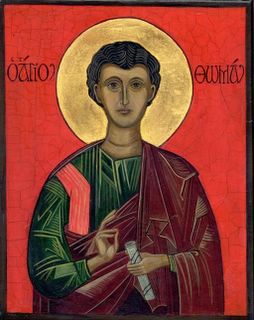
The image is Old Woman Praying by Rembrandt (1630)